

Freight forwarding in logistics: transporting goods to the right place at the right time
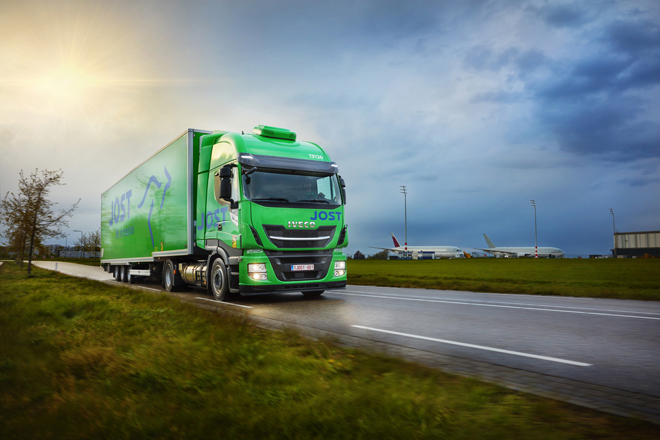
Freight forwarding in logistics involves transporting the right goods to the right place at the right time. At JOST, we ensure that our customers' freight is transported safely, punctually and transparently, from transport planning to final delivery.
Transport planning: coordination and efficiency
Transport planning is an essential step in ensuring a smooth and reliable supply chain.
-
Benefits: better use of capacity, optimal adherence to deadlines and quality service for customers. Effective planning also helps to control costs and anticipate operational needs.
-
Challenges: regulations must be taken into account, unforeseen events must be managed and constant communication with customers and operational teams must be maintained to ensure continuity of operations.
Specialised equipment for freight forwarding
For freight forwarding operations, JOST has around 300 rollerbed trailers specially designed for this type of transport.
These trailers are equipped with rotating rollers that allow ULDs (Unit Load Devices) to be moved easily during loading and unloading operations.
The system operates pneumatically. The driver activates the air valves via a control panel on the trailer. Compressed air is then sent to a pneumatic cylinder, which converts the pressure into motion and activates the roller conveyor.
This system greatly facilitates the handling of freight units and allows operations to be carried out more quickly and safely, particularly in airport logistics environments.
Skills required in freight forwarding
Transport in the freight forwarding sector often takes place in a highly secure, international and time-sensitive environment, such as around airport platforms.
Drivers must therefore possess several essential skills:
-
keen sense of safety
-
time management and stress resistance
-
administrative accuracy
-
communication and reliability
-
technical skills
-
physical fitness and flexibility
Transport planners must combine organisational skills, strong analytical abilities and knowledge of regulations, while ensuring effective communication between operational teams and customers.
The essential role of customer support
The customer support department plays a key role in the daily process, as it acts as the link between customers and operations.
Managing the necessary documents, communicating updates and quickly resolving issues ensures a secure, efficient and customer-focused freight forwarding process.
JOST's expertise in freight forwarding
Thanks to rigorous planning, specialised equipment and experienced teams, JOST offers freight forwarding solutions tailored to the requirements of international transport.
We support each operation with a clear objective: to guarantee secure, efficient and reliable transport, while ensuring a high level of service for our customers.
Latest News
-

JOST Recognized at the Gazelles Nat…
JOST is proud to announce its 2nd place ranking at the Gazelles National Transpo… -
JOST and Apollo Tyres Inaugurate a …
JOST and Apollo Tyres have reached a new milestone in their collaboration with t… -
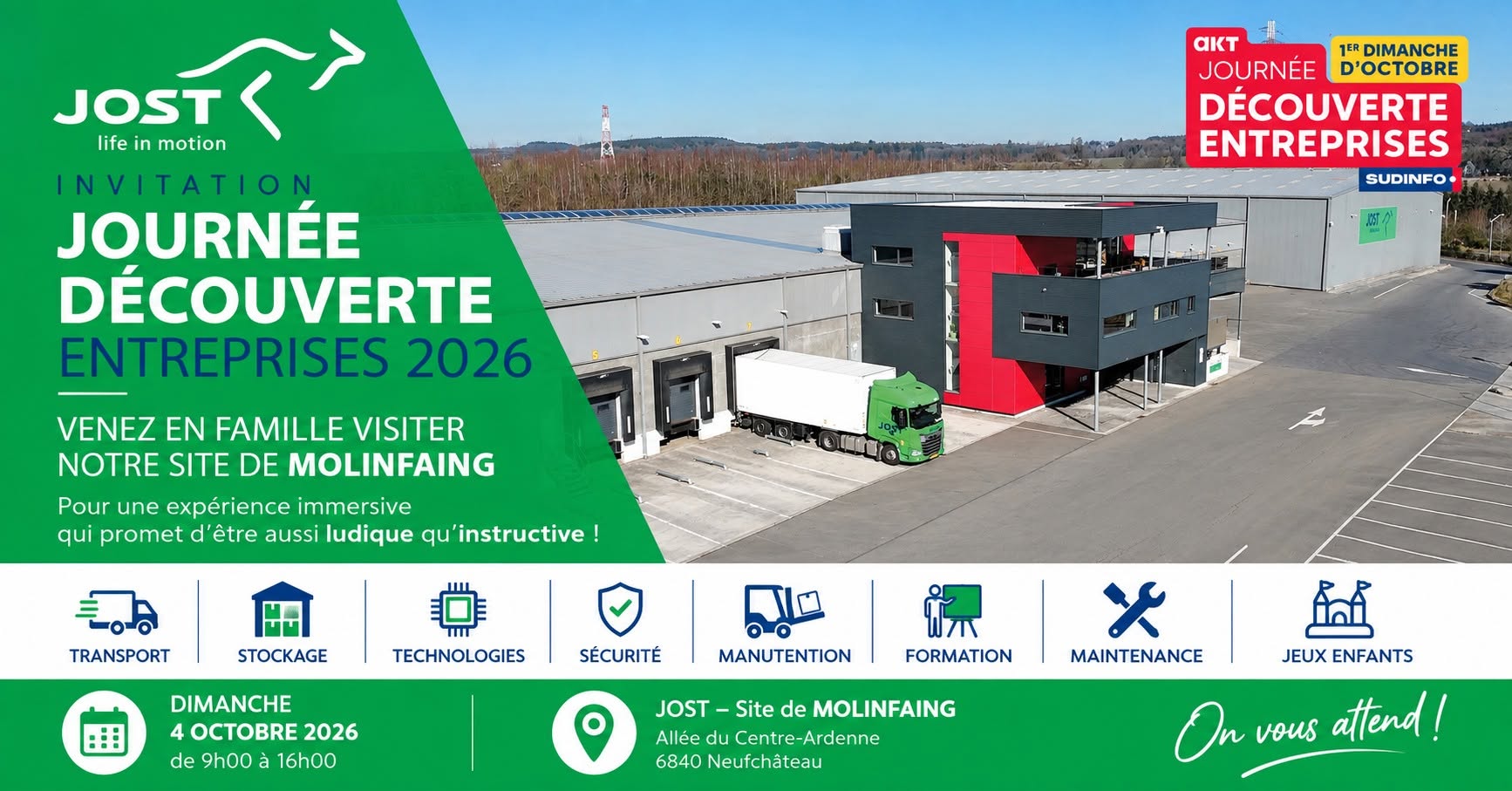
JDE - Company Discovery Day
For the Journée Découverte Entreprises 2026, JOST is opening the doors of its
… -
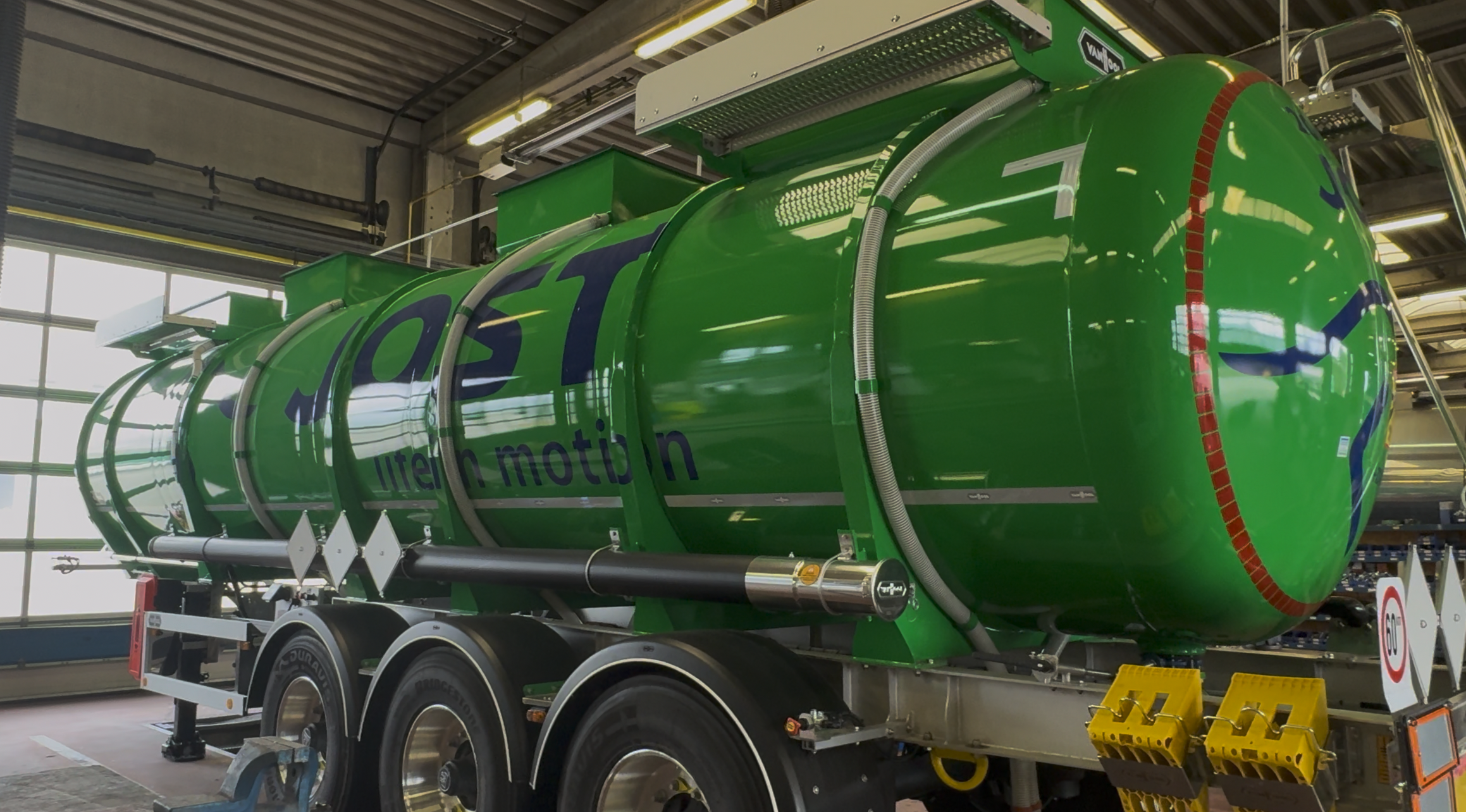
Tanker Maintenance: An Essential Pr…
How can you ensure a tanker remains safe and fully operational throughout the ye… -
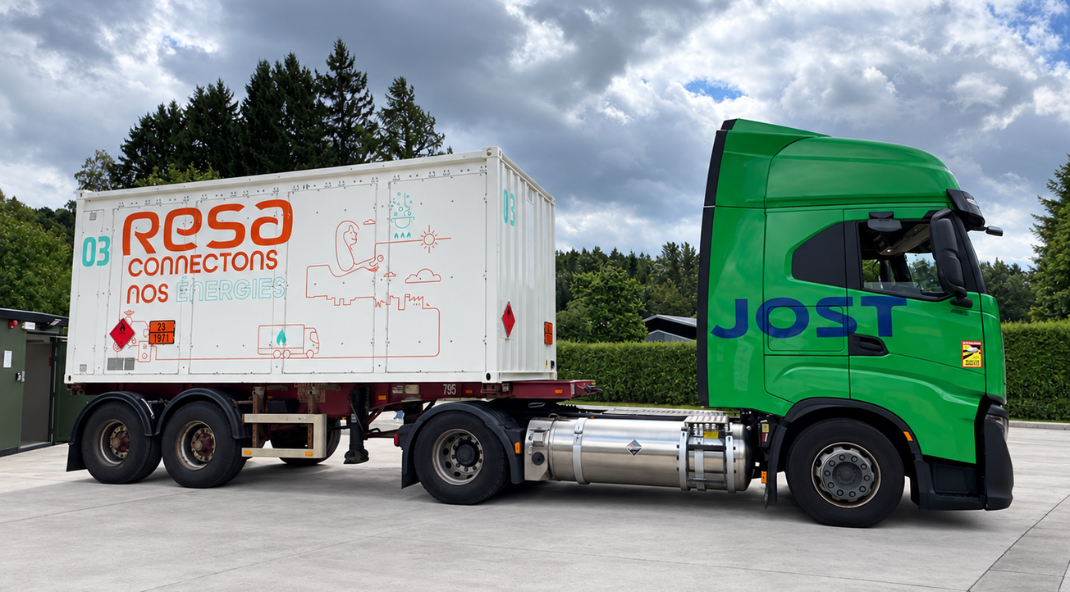
JOST and RESA Pioneer Belgium’s F…
A unique project in Belgium has come to life in Saint-Vith through the collabora…