

In liquid transportation, safety leaves no room for improvisation. Tankers must undergo regular inspections to prevent leaks, protect infrastructure, and ensure the safety of drivers and other road users.
In this new episode of JOST Expertise, Filippo, Tanker Workshop Manager, takes us through the different maintenance operations carried out on these specialized vehicles.
Thorough Checks During Every Inspection
Tankers feature several components that require special attention. During each inspection, teams carefully check valves, safety systems, couplings, dome seals, and the overall condition of the tanker.
The objective is simple: quickly identify any issue that could compromise the safety or integrity of the equipment.
Specific Testing for Hoses
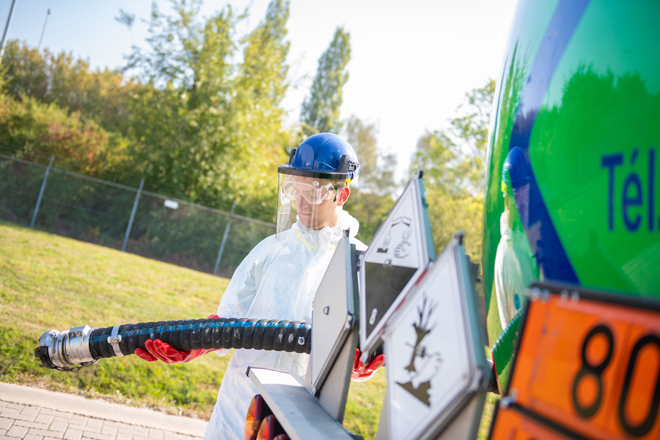
The hoses used during loading and unloading operations are also subject to strict monitoring. Every year, they are inspected by a specialized external company.
Tests are conducted at a pressure of 16 bar to verify their resistance. Teams also check electrical continuity to detect any internal break that could create safety risks during operations.
The Importance of Preventive Maintenance
Every tanker is inspected every six months. These inspections include preventive maintenance as well as a complete technical inspection. In addition, a CU test is carried out every three years to ensure the equipment remains compliant and reliable.
This preventive approach helps anticipate potential issues, avoid leaks at connection points, and maintain operational reliability on a daily basis.
JOST Expertise Serving Safety
Thanks to the expertise of its teams and rigorous inspection procedures, JOST ensures its tankers remain in optimal operating condition. This commitment is essential to delivering safe, reliable, and compliant transport operations.
Latest News
-

JOST Recognized at the Gazelles Nat…
JOST is proud to announce its 2nd place ranking at the Gazelles National Transpo… -
JOST and Apollo Tyres Inaugurate a …
JOST and Apollo Tyres have reached a new milestone in their collaboration with t… -
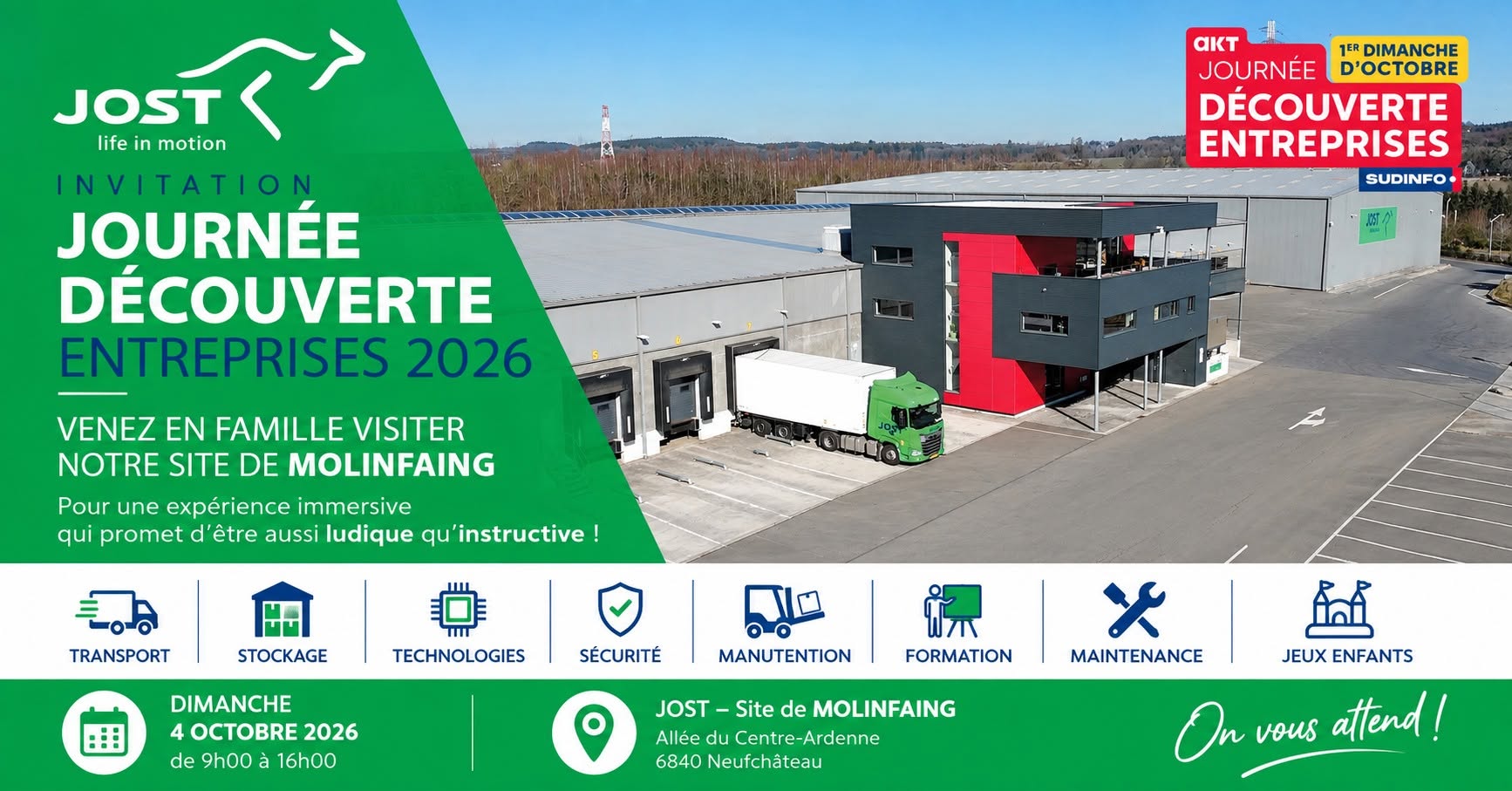
JDE - Company Discovery Day
For the Journée Découverte Entreprises 2026, JOST is opening the doors of its
… -
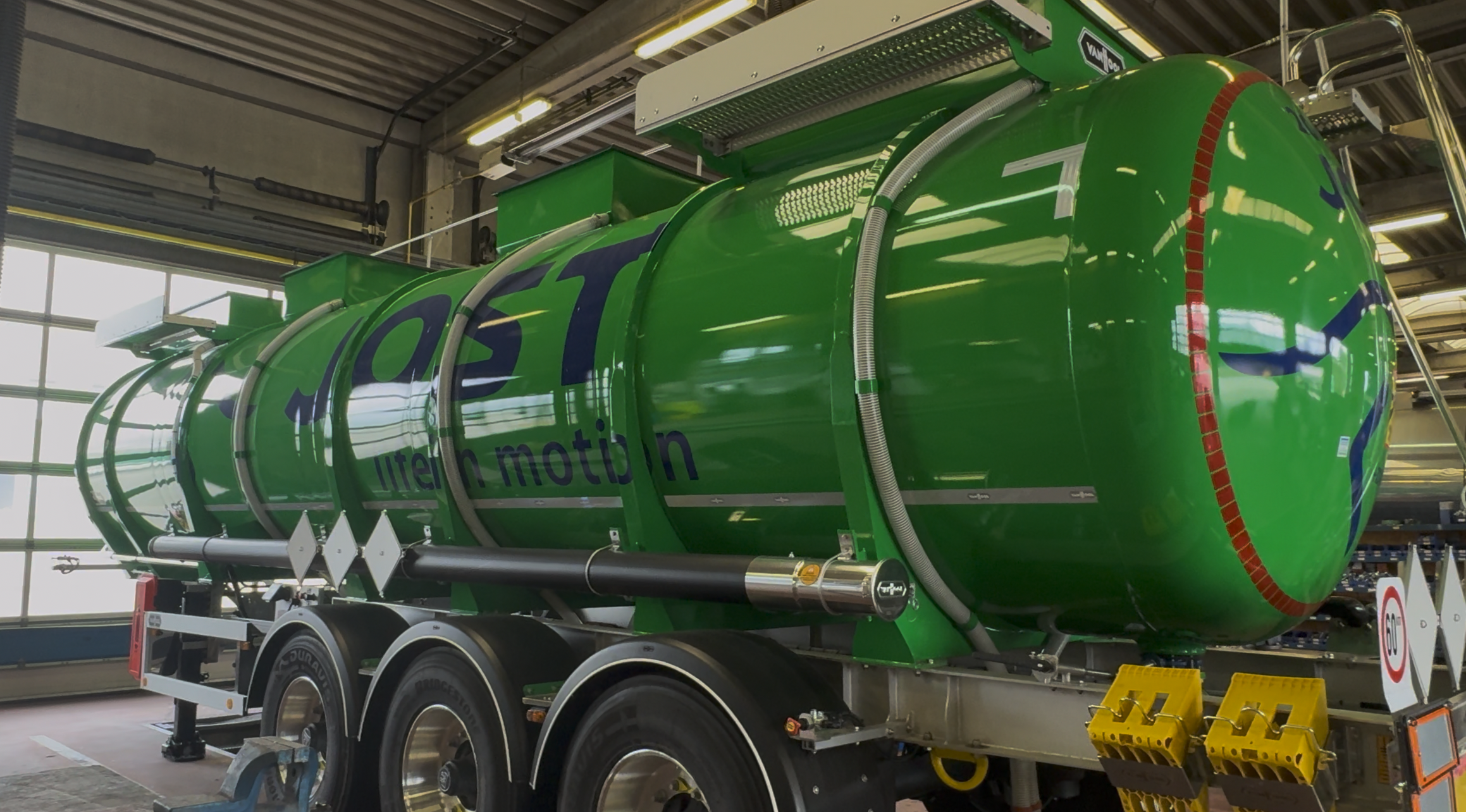
Tanker Maintenance: An Essential Pr…
How can you ensure a tanker remains safe and fully operational throughout the ye… -
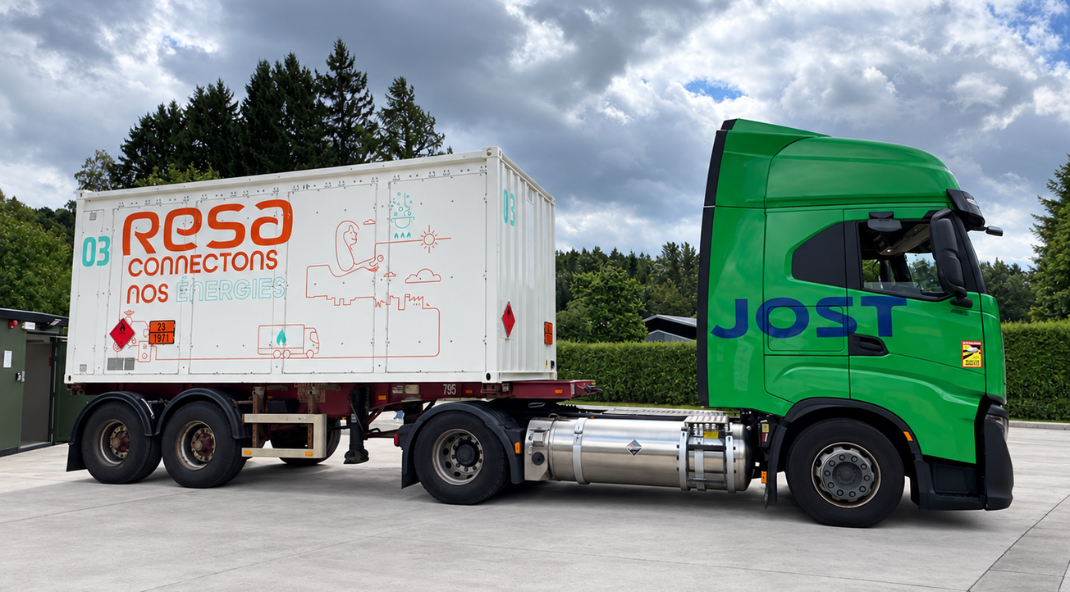
JOST and RESA Pioneer Belgium’s F…
A unique project in Belgium has come to life in Saint-Vith through the collabora…